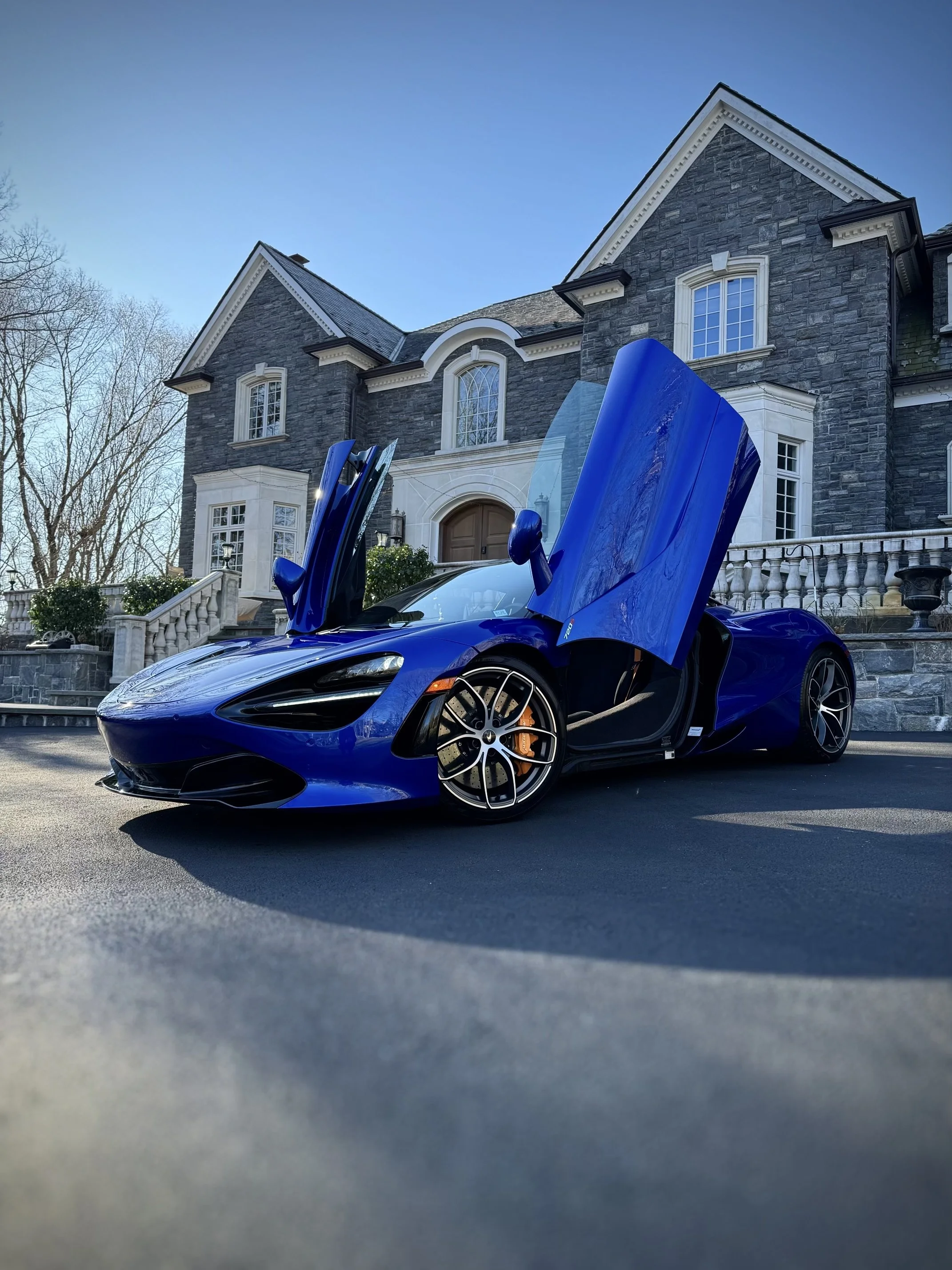
DIFFERENCE IN CARBON FILM VS CERAMIC FILM
Carbon Film
Technology
Uses nano-sized carbon particles, not metal or dye, embedded in layers to block significant heat, UV rays, and glare, offering excellent color stability.
Performance
Excellent performance as a middle-ground option, providing superior UV/heat rejection and durability over dyed films without signal interference, featuring a non-reflective matte look, blocking significant infrared heat (around 40-50%), and ensuring longevity without fading or turning purple.
Durability
Carbon film window tint generally lasts 7 to 10 years, offering high durability and fade resistance due to its non-metallic composition.
Cost
Budget-friendly option—it gets the job done by adding some shade to your windows, but it won’t do much in terms of heat rejection or durability.
Ceramic Film
Technology
Uses nano-ceramic particles embedded in a multi-layered film to provide superior heat rejection, UV protection, and glare reduction without dark tint, preserving clarity and signal strength for electronics.
Performance
Blocks significant solar energy and up to 98-99% of infrared heat, keeping cars dramatically cooler. Blocks nearly all UVA and UVB rays (over 99%), preventing skin damage and interior fading.
Durability
Ceramic film durability is excellent, lasting 10-20+ years, far surpassing cheaper tints because it uses non-metallic ceramic particles that don't fade, bubble, or peel, offering superior UV/heat protection and clarity over time.
Cost
Ceramic car tint costs more upfront but saves you money in the long run. It doesn’t just block sunlight—it actively reduces infrared heat, keeping your car cooler and putting less strain on your AC (which, by the way, can help improve fuel efficiency).
Get Your Tint Quote Today
*
Get Your Tint Quote Today *